
Lake Manyara National Park
Why Tanzania’s National Parks Stand Out
Tanzania’s national parks stand out for their extraordinary diversity of landscapes, ranging from vast savannahs and volcanic craters to lush forests, alpine mountains, and alkaline lakes. The country is home to iconic wildlife including the Big Five, large predator populations, and rare species found nowhere else. Tanzania also hosts world-renowned natural wonders such as the Great Wildebeest Migration, ancient volcanic formations, and rich birdlife. All parks are protected under strong conservation programs that balance wildlife preservation, sustainable tourism, and community involvement, ensuring authentic and responsible safari experiences.
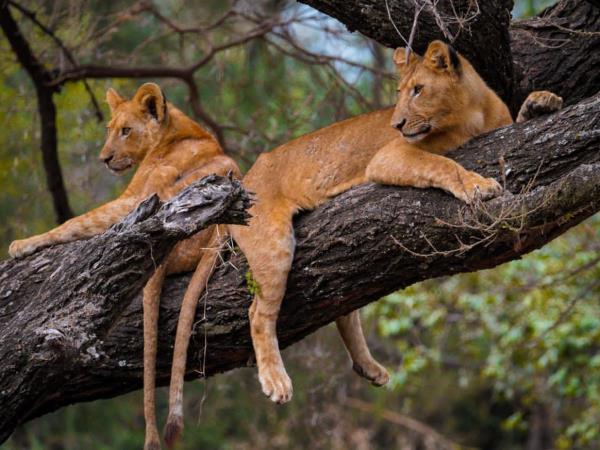
Lake Manyara National Park
Lake Manyara National Park is a beautiful wildlife destination in northern Tanzania, located at the base of the Great Rift Valley escarpment. The park is famous for its alkaline lake, diverse habitats, and unique tree-climbing lions. Its compact size offers rich wildlife viewing and exceptional birdlife, making it a popular stop on the northern safari circuit.
Key Facts
• Location: Northern Tanzania, 126 km west of Arusha
• Area: 325 km²
• Established: 1960
• Governing body: Tanzania National Parks Authority (TANAPA)
• UNESCO status: Part of the Lake Manyara Biosphere Reserve (since 1981)
Why choose Lake Manyara National Park?
Lake Manyara National Park offers a perfect mix of wildlife, scenery, and easy access. It is famous for its rare tree-climbing lions, large elephant herds, and incredible birdlife, including flamingos along the alkaline lake. The park’s compact size makes it ideal for short safaris while still delivering diverse landscapes—from groundwater forests to open plains—set against the dramatic Rift Valley escarpment. It is also less crowded than larger parks, providing a peaceful and authentic safari experience.
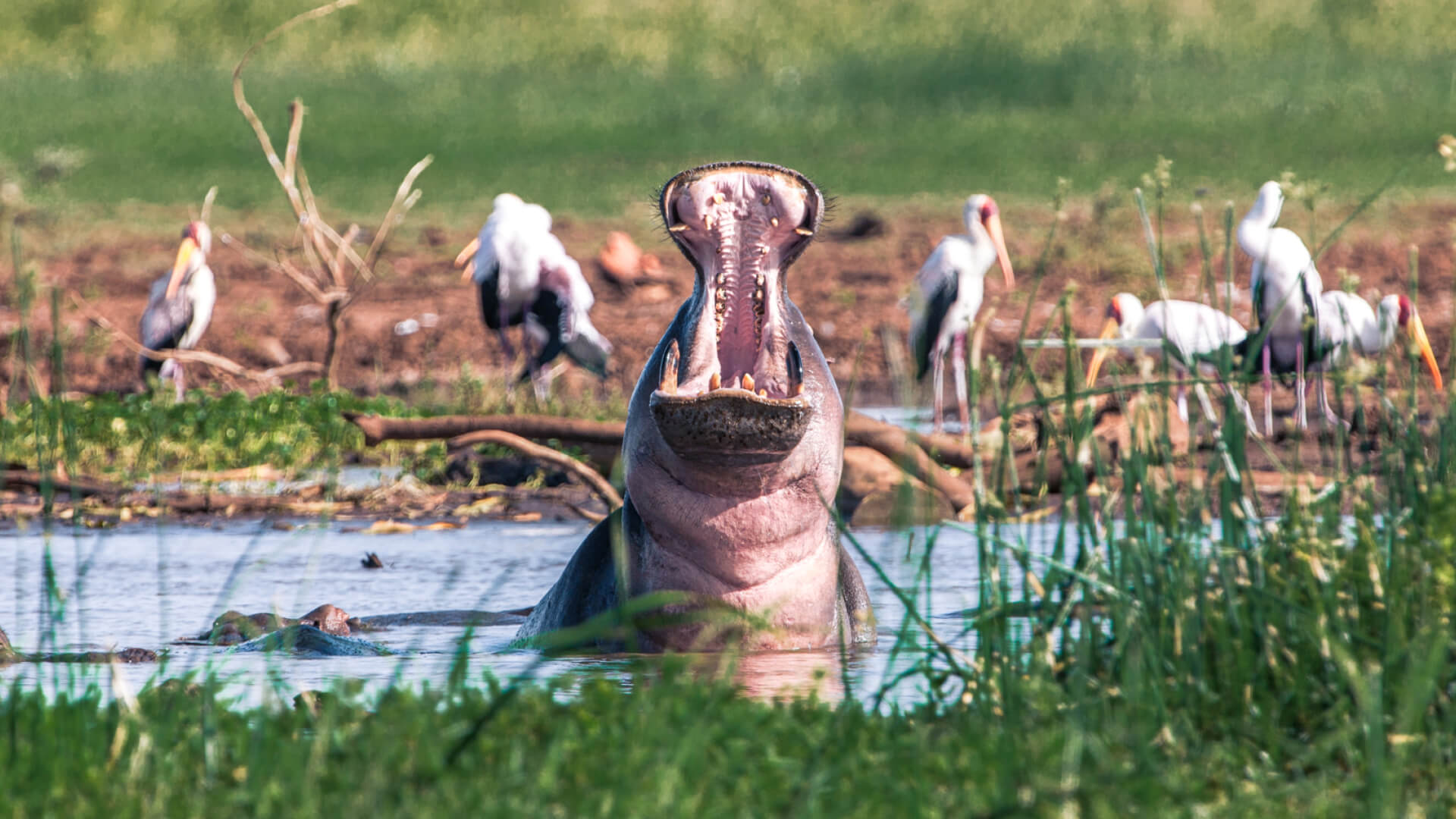
What makes Lake Manyara National Park unique?
Lake Manyara National Park is famous for its tree-climbing lions, scenic Rift Valley setting, and diverse ecosystems packed into a compact area. The alkaline lake attracts thousands of flamingos and other waterbirds, creating a unique wildlife and landscape experience.
The park is home to elephants, giraffes, buffaloes, hippos, blue monkeys, and the rare tree-climbing lions. Birdlife is exceptional, with over 400 species recorded, making it one of Tanzania’s best birdwatching destinations.
Yes, Lake Manyara is one of Africa’s top birding locations. Flamingos, pelicans, storks, hornbills, and migratory birds are commonly seen, especially around the lake during the wet season.
Visitors can enjoy guided game drives, birdwatching, walking safaris, and seasonal canoeing on Lake Manyara. Cultural tours to nearby villages such as Mto wa Mbu are also popular.
The dry season (June to October) is ideal for wildlife viewing, while the wet season (November to May) offers lush scenery and excellent birdlife, especially for migratory species.
The park is located about 126 km from Arusha and is accessible by road or domestic flights via Lake Manyara Airstrip. Most visitors enter through the northern gate near Mto wa Mbu.
Yes, due to its compact size and easy access, Lake Manyara is perfect for day trips or short safari extensions within Tanzania’s northern safari circuit.